Blog
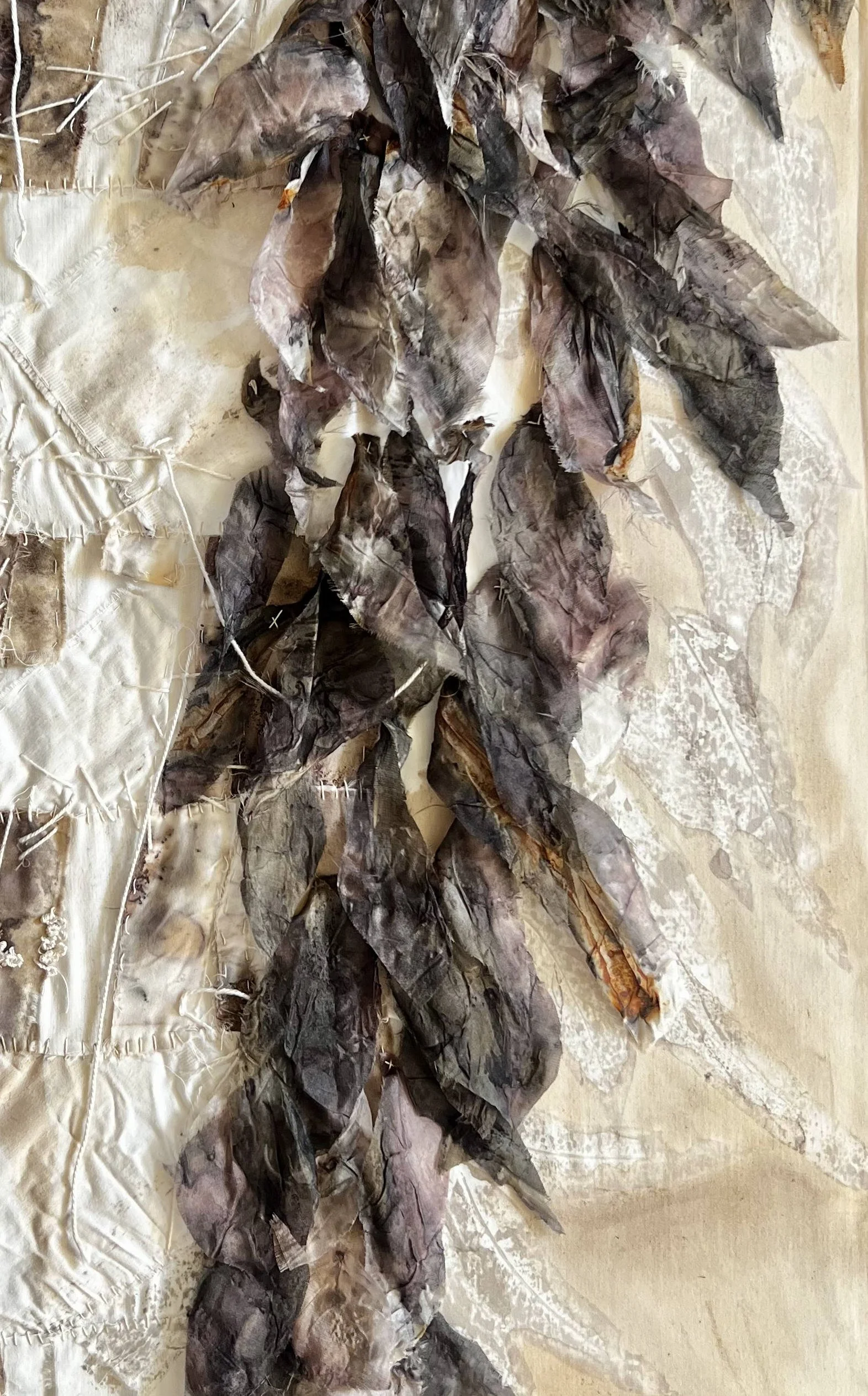
Relearning how to see
Anyone can cultivate deeper observation simply by slowing down and paying attention. Carrying a sketchbook, photographing details, or quietly sitting within a landscape can reshape how we experience the world. Creativity grows through presence.
In our everyday life, we often forget how to truly observe the places around us. Landscapes blur past us, familiar pathways become routine, and the subtle beauty of nature can disappear beneath distraction. Art offers us another way. It invites us to pause, to look more carefully and to rediscover the richness hidden within ordinary moments.
Developing a creative relationship with nature begins with curiosity. A weathered tree becomes more than a tree as it reveals movement, texture, and history. Shadows across a path transform into unexpected compositions. Fragments of peeling bark or changing light can inspire entirely new ideas. When we begin to shift perspective, familiar places open themselves in surprising ways.
This practice of seeing differently is not limited to trained artists. Anyone can cultivate deeper observation simply by slowing down and paying attention. Carrying a sketchbook, photographing details, or quietly sitting within a landscape can reshape how we experience the world. Creativity grows through presence.
Special places hold particular significance in this process. A coastline, a stretch of bushland, or a quiet garden may carry memory, emotion, or belonging. Returning to these places again and again allows us to notice change be it light moving through seasons, colours deepening after rain, small details previously overlooked. These repeated encounters deepen our connection to place.
Art is not only about creating images. It is about learning to engage more deeply with the world around us. Through new ways of seeing and exploring new ideas, we reconnect with nature, discover fresh creative pathways and find meaning in the overlooked to rediscover the magic of the world around us.
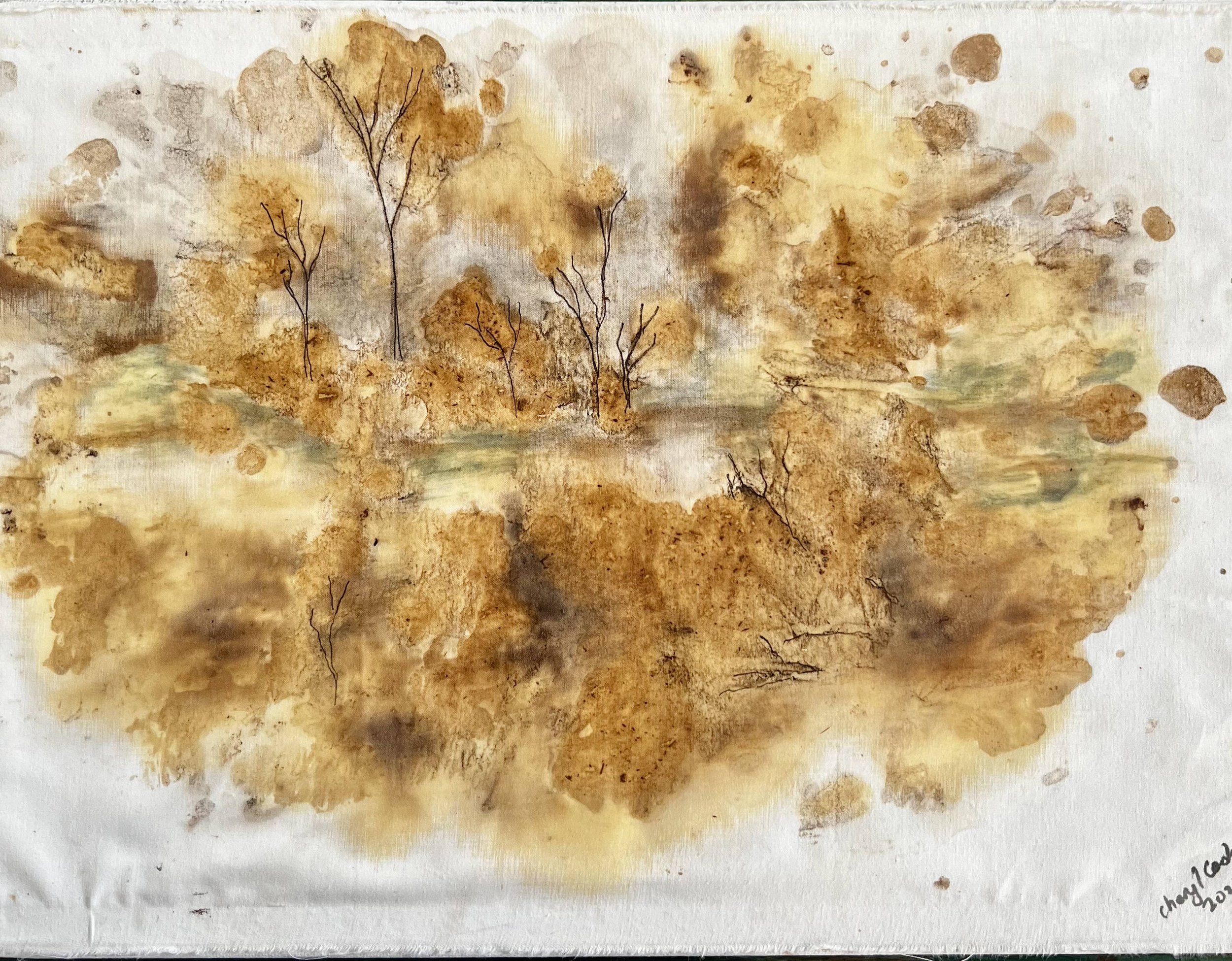
Landscape as an art collaborator
In a world driven by speed and consumption, working in partnership with nature offers a softer, more attentive and sustainable way of living and creating.
Through art, we begin to remember that we were never separate from the living world at all.
Modern life has taught many of us to move quickly across the world without truly seeing it. We have become disconnected from nature, from slowness, from observation and often from our own creative instincts. My work with natural inks and earth-based materials is an attempt to offer another way of being.
When I gather leaves, bark and vegetation from the Australian landscape and transform them into inks, I am not simply making art materials. I am entering into relationship with place. The colours, marks and textures carry memory, season and story within them. The landscape itself becomes collaborator rather than backdrop.
I believe the deeper problem is not simply that people are disconnected from nature, but that we have forgotten we are part of it. Creativity can help restore that understanding. Through immersive workshops and place-based art practices, I invite people to slow down, observe closely and respond to the unknown with wonder rather than fear.
Natural inks are beautifully unpredictable. Colours shift, marks wander and unexpected interactions emerge across cloth and paper. For me, this serendipity is not failure — it is evidence of a living creative process.
My work is about more than teaching techniques. It is about helping people reconnect with creativity, community and landscape through relationship-based making. In a world driven by speed and consumption, working in partnership with nature offers a softer, more attentive and sustainable way of living and creating.
Through art, we begin to remember that we were never separate from the living world at all.
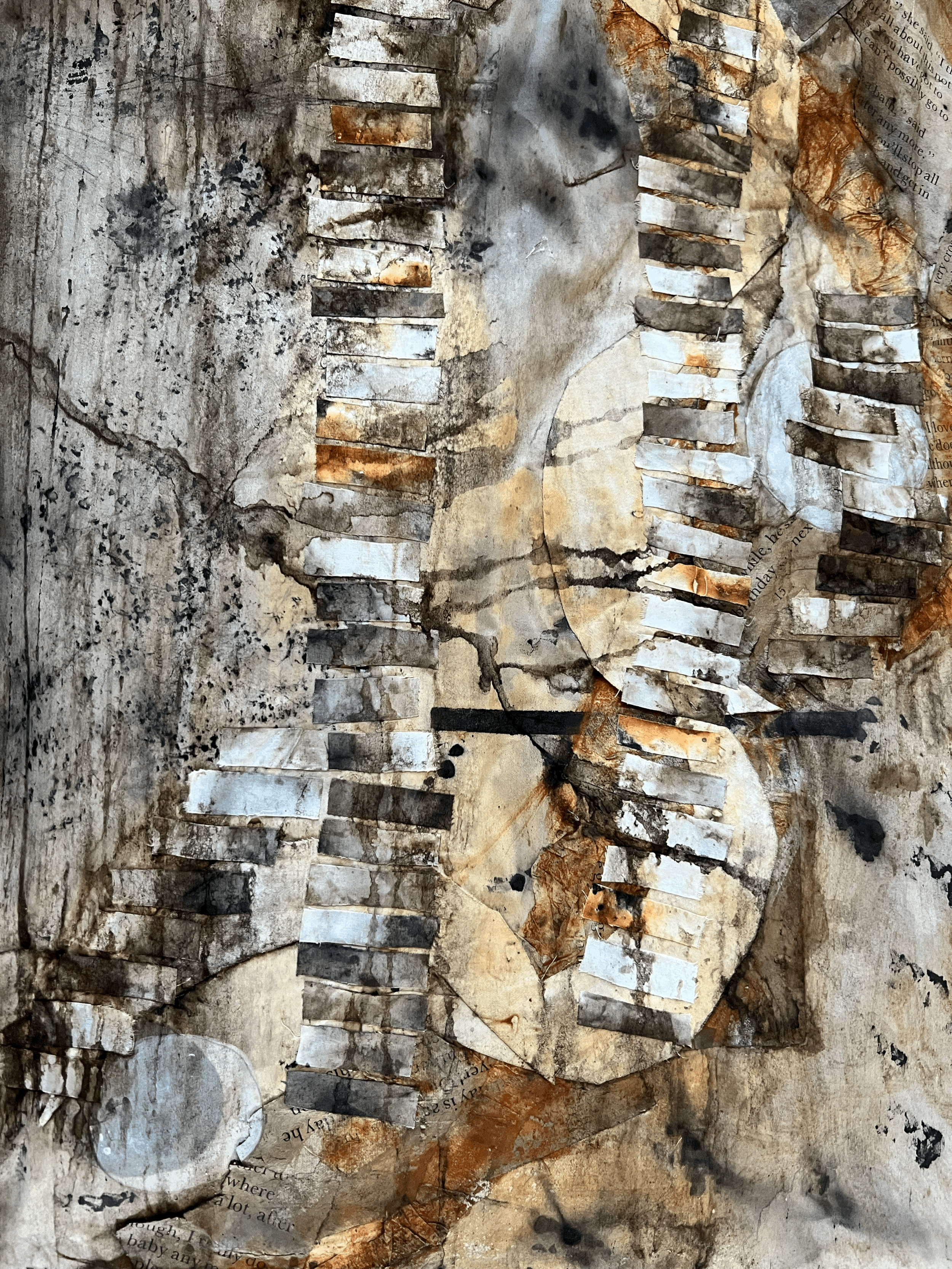
How to Make Natural Ink From Plants Found in Your Local Landscape
Natural inks move differently from commercial paints. They bloom, separate, stain and settle in unpredictable ways. Rather than controlling every outcome, you begin collaborating with the material itself. This creates an openness to discovery — a willingness to say, “Oh, how interesting,” as colours shift and textures emerge unexpectedly.
There is something deeply magical about making ink from the plants that grow around you. In the quiet transformation that occurs when leaves, bark, seedpods and earth become marks on paper and fabric. The landscape begins to speak in another language.
Natural ink making is not simply a process of collecting colour. It is a way of engaging with place. A way of slowing down enough to notice. To become curious about your surroundings and to observe the subtle shifts of season, weather, growth and decay. When we create ink from local vegetation, we are working with materials that carry the memory of the landscape itself.
The beauty of this practice is that you do not need rare materials or complicated equipment to begin. Your local environment already holds extraordinary possibilities.
Start with respectful observation.
Walk slowly through your garden, along a roadside, beside a creek or through bushland. Look for fallen bark, eucalyptus leaves, gumnuts, berries, dried grasses, seedpods or pruned branches. Gather gently and thoughtfully. Take only small amounts and leave plenty behind. Nature is not a resource to conquer but a companion in the creative process.
Some of the most beautiful colours come from unexpected places. Eucalyptus can create smoky greys, warm rusts and soft olive tones. Acorns and bark often produce rich browns. Berries and flowers may shift into surprising pinks or purples. Every plant reacts differently, and this unpredictability is part of the delight.
To make a simple natural ink, place your plant material into a pot and cover it with water. Simmer gently for one to two hours. As the water reduces, the colour deepens. The room begins to smell of earth, leaf and weather.
Allow it to cool and strain the liquid through cloth or paper towel. At this stage you already have a beautiful fluid drawing and painting material. Some artists add a small amount of gum arabic to improve flow and permanence, but even the simplest inks can hold extraordinary character. You can also add an essential oil or clove pieces to help minimise mould growth. But that can also be part of its character.
A slightly more developed process is to fill a jar with vegetation and fill to the top with vinegar or methylated spirits. Let it sit and discover what develops with time be it a day or a month.
The real joy comes when you begin painting or drawing with these inks.
Natural inks move differently from commercial paints. They bloom, separate, stain and settle in unpredictable ways. Rather than controlling every outcome, you begin collaborating with the material itself. This creates an openness to discovery — a willingness to say, “Oh, how interesting,” as colours shift and textures emerge unexpectedly.
Over time, this process changes the way you see the world. You begin noticing colour in bark after rain, shadows in stones, the silver underside of leaves moving in the wind. Place becomes more intimate. More layered with meaning.
The inks become a visual record of time, of engagement and of connection to the places of your heart.
Working with natural inks reminds us that creativity does not need to be separate from ecology. Art can become a gentle conversation with the environment — one based in curiosity, respect and wonder.
And perhaps that is the real mystery of these inks.
They do not simply colour the page or cloth.
They quietly transform the person making them.
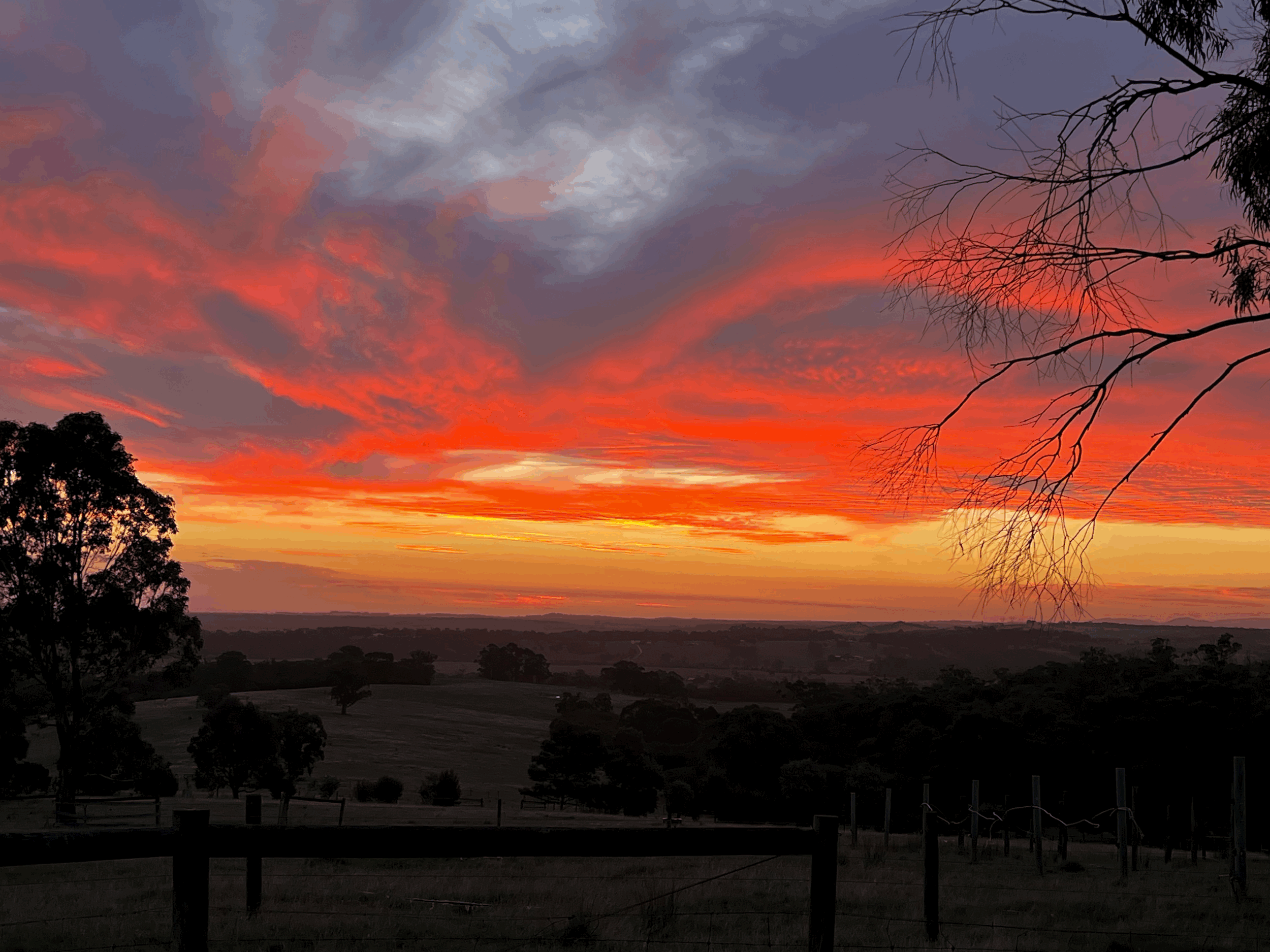
Creativity and courage
To step outside the square is to move beyond what feels safe and familiar. It is choosing to create even when the outcome is uncertain, to trust your instincts when they lead you off the well-worn path. It might look like picking up a brush for the first time, or returning to a forgotten passion. It might be sharing your work before it feels “ready,” or simply allowing yourself to explore without needing a clear purpose.
There are places that don’t just exist on a map—they live quietly within us, waiting for the right moment to speak. Sometimes they reveal themselves in sweeping horizons painted in fire and gold, where the sky stretches wide enough to hold every unspoken thought. Other times, they whisper through the small things: the texture of bark beneath your fingers, the intricate lacework of lichen clinging stubbornly to life, or the hush of shade beneath a tree where time seems to loosen its grip.
Creativity often begins there—in that meeting point between the outer world and the inner landscape of the heart. It is not always loud or dramatic. More often, it is a quiet nudge, an invitation to notice. To really see. A field becomes more than a field; it becomes a canvas of possibility. A simple gathering under a tree transforms into a sanctuary where ideas take root and grow in unexpected directions.
But to follow that spark requires something more than inspiration. It asks for courage.
To step outside the square is to move beyond what feels safe and familiar. It is choosing to create even when the outcome is uncertain, to trust your instincts when they lead you off the well-worn path. It might look like picking up a brush for the first time, or returning to a forgotten passion. It might be sharing your work before it feels “ready,” or simply allowing yourself to explore without needing a clear purpose.
Nature teaches this lesson effortlessly. Nothing in it is rigid or confined. Trees twist toward the light in their own way. Patterns form without instruction. Growth happens in directions no one could predict. There is a kind of permission in that—a reminder that creativity does not need to fit within neat lines to be meaningful.
When we draw from a place of the heart, creativity becomes less about perfection and more about presence. It becomes an act of connection—to the world around us, and to something deeper within ourselves. And in that space, something shifts. Fear loosens. Curiosity takes over.
The most powerful creations often come from those moments when we dare to step just a little beyond what we know. When we trust that the view from the edge—whether it’s a blazing sky at dusk or a quiet patch of earth beneath our feet—holds something worth discovering.
All it asks is that we look, feel, and begin.
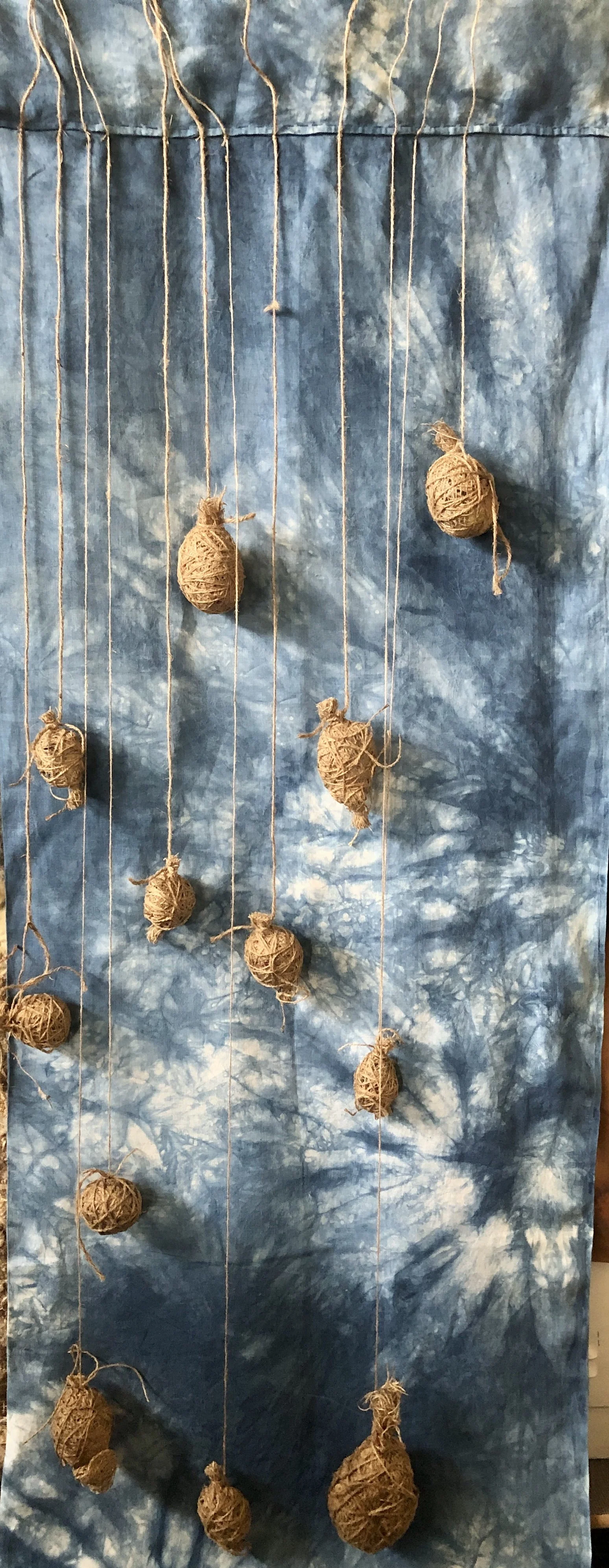
A creative journey
Creative journeys offer promise, challenges and a heap of satisfaction.
Creative journeys
Throughout my creative journey, I have explored various materials and themes, resulting in a dynamic collection of artworks. Each section of the collection stands alone while harmonising with the others, illustrating my evolving interests and inspirations.
A notable part of my work is a series based on inked imagery on cloth. This material serves as the foundation, with its earth and vegetation elements reflecting the origins of its components. The series exemplifies my focus on the natural world and its intrinsic beauty.
Another series centres around the use of indigo. Created later in my process, the addition of vibrant colour brought a new dimension to my work. The unpredictable patterns that emerged through the indigo dyeing process guided my creativity into unexpected and enriching directions.
Venturing into three-dimensional space, I introduced a series that adds intrigue and novelty to my collection. This 3D work, although a departure from my usual approach, retains the collaborative and spontaneous essence present in my other pieces. These pieces evoke a sense of ancient history and fantasy, expanding the narrative scope of my collection.
A significant portion of the collection is dedicated to themes of trees and leaves. I find these a fascinating source of inspiration. I have reimagined pieces to fit within new projects, finding renewed appreciation and relevance in them.
Finally, the Felt series explores the tactile aspects of my art. I normally work with alpaca fibre and working with raw wool was a new venture, offering a satisfying contrast to the smoother, cloth-based elements of my previous works. This series enriches the overall texture and sensory experience of my collection, showcasing my willingness to experiment and adapt.
What is the essence of your creative journey? I encourage you to venture into unknown waters as well as honing your existing expertise. Take delight in exploration and personal challenges.

A Natural Palette
The value of a natural palette
Celebrating the raw materials of natural inks and the colours they produce brings about a deeper connection to the art of creation, one that transcends the commercial aspects of other products. These raw materials have a voice, a unique presence that demands recognition and a place in the creative process.
Inks, in particular, possess an intrinsic value. They are living elements that transform over time, both in the short term and over prolonged periods. To achieve true satisfaction in this artistic adventure requires a leap of faith, embracing the uncertainty of the final outcome. We are used to bright colours which can dominate and flatten the perspective. They can overwhelm our senses, limiting our ability to truly see. Natural tones within our environment invite a more profound exploration, urging us to delve deeper to uncover the richness and diversity within.
These more subdued tones enhance our capacity to appreciate the miraculous. Engaging with these natural materials requires time and patience. We must immerse ourselves in time, allowing the inks the space to adapt and evolve.
The inks offer a palette of nuance, their interactions shifting daily, echoing the aliveness of their environment. Each day brings a new dynamic, a fresh interaction, as the colours continue to live and breathe, responding to the world around them. This ongoing conversation between the artist, the environment and the ink is a testament to the ever-changing nature of art itself.

Serendipity
Having a flexible creative mindset brings joy in the serendipity of the unknown.
When we approach creativity with wonder, we unlock a magical transformation. It’s like stepping into a world where unexpected twists and turns lead to amazing discoveries. This journey involves embracing the unpredictability and unique opportunities that arise during creative work. By being open to these moments of serendipity, we can tap into our intuition and create something truly special.
Embracing a creative process that’s all about chance and surprises is like going on an adventure with an open heart and a curious mind. You let go of your plans and embrace the unexpected, and you discover amazing things along the way. It’s like a dance with chance, where you’re open to new ideas and inspirations that come your way.
This approach values the beauty of unpredictability. Sometimes, the most incredible ideas come when we least expect them. By trusting in the process and staying present, you can tap into a flow state where your intuition guides you, and you create something truly unique. Serendipity becomes your partner in exploration, leading you to places you never thought possible.
Mistakes aren’t seen as failures, but as stepping stones to discovery. This mindset makes you adaptable and resilient, and you learn to appreciate the connections between seemingly unrelated things. In the end, embracing a creative process based on serendipity leads to a rich, dynamic, and rewarding creative journey. The unexpected is welcome, and every moment holds the potential for inspiration.

I am an artist!
Does an artist play?
Look at a blank page, a blank canvas, a blank screen, a blank textile, or even a blank idea, and what do you see? A challenge perhaps? Potential? A scary prospect? All of these are things to face no matter what the blank medium is, and this fear is often talked about in many places. But what does an artist do? Pick up a brush, a needle, a pen, or pound a keyboard— much as I am doing now.
It has taken work to breathe myself into being an artist. Not a painter, not a felt-maker, not a maker, not a hobbyist, not a craftsperson, not an artisan. An artist, as held in my own heart, regardless of how others may see me. For being an artist has to be part of you. You have to believe it—and yourself—wholeheartedly in order to step over the fear of that blank ‘whatever’.
You have to build that part of you, layer by layer, that lifts you into a world of wonder. Build the frame and then be brave enough to step into the image of ‘artist’, where you have the confidence to strike out on your own, to communicate part of your soul, to share your creations with others who may applaud, cry, laugh, criticise, or simply ignore… and sometimes they might even buy! As Henri Matisse is cited as saying, ‘Creative people are curious, flexible, and independent with a tremendous spirit and a love of play ... The artist begins with a vision—a creative operation requiring effort.’
I want to be that person who has ‘tremendous spirit’ and who is willing to put creative effort into their life. I am an artist because I want to be one.
Quotes to ponder
If you have ever considered the question of art in our lives, then this small collection of quotes from ‘Life Force': A painter’s response to the nature poetry of Ted Hughes’ by Louise Fletcher may give you something to chew on.
Q1: If we do not make the most of our lives, if we do not throw ourselves into everything we do with commitment and passion, we will create art that is less than wholehearted. (pg49)
Q2: Every work of art stems from a wound in the soul of the artist...Art is a psychological component of the auto-immune system that gives expression to the healing process. That is why great works of art make us feel good. (pg68)
Q3: Once I let go of the need to know, that was room for it [the why] to emerge. (pg 98)
Q4: ...capture this sense of direct experience of nature, without the filter of sophisticated understanding. What would it feel like to feel water on your skin without knowing what it was? To float without knowing how you are doing it? To experience the world without the filter of knowledge? ((pg129)
Q5: Hughes believed art had the power to tap into the universal energies and use them for good. (pg165)
Q6: ...the importance of art. It's about the ways in which an artist can touch us, move us, and inspire us, staying with us over the years and through the twists and turns of a life, offering nourishment, healing and inspiration. (pg7)
Q7: So much of what we experience passes by only half-noticed. So much of our experience ...is subliminal. (pg23)
Q8: ...it takes courage to go beyond pretty pictures or commercially viable art and to instead dig deep into one's own soul to find and share the deepest parts of yourself and then to share those parts with others...it means making honest, soulful, authentic art that leaves you no place to hide. (pg68)
If you have ever pondered the question of the role that art plays in our lives then these quotes from ‘Life Force. A painter’s response to the nature poetry of Ted Hughes’ by Louise Fletcher may give you food for thought.
-
Quote 1
If we do not make the most of our lives, if we do not throw ourselves into everything we do with commitment and passion, we will create art that is less than wholehearted. (pg49)
-
Quote 2
Every work of art stems from a wound in the soul of the artist...Art is a psychological component of the auto-immune system that gives expression to the healing process. That is why great works of art make us feel good. (pg68)
-
Quote 3
Once I let go of the need to know, that was room for it [the why] to emerge. (pg 98)
-
Quote 4
...capture this sense of direct experience of nature, without the filter of sophisticated understanding. What would it feel like to feel water on your skin without knowing what it was? To float without knowing how you are doing it? To experience the world without the filter of knowledge? ((pg129)
-
Quote 5
Hughes believed art had the power to tap into the universal energies and use them for good. (pg165)
-
Quote 6
...the importance of art. It's about the ways in which an artist can touch us, move us, and inspire us, staying with us over the years and through the twists and turns of a life, offering nourishment, healing and inspiration. (pg7)
-
Quote 7
So much of what we experience passes by only half-noticed. So much of our experience ...is subliminal. (pg23)
-
Quote 8
...it takes courage to go beyond pretty pictures or commercially viable art and to instead dig deep into one's own soul to find and share the deepest parts of yourself and then to share those parts with others...it means making honest, soulful, authentic art that leaves you no place to hide. (pg68)